Packaging rarely gets a second thought once its job is done. Yet, for anyone who has unpacked a stack of deliveries or cleared out a pantry, the sheer volume of boxes, bubble wrap, and empty jars can feel overwhelming. At the same time, the growing pressure on businesses to shift towards sustainable packaging solutions means that creative reuse is more relevant than ever. The afterlife of packaging materials - from humble cardboard to specialty containers - offers surprising room for ingenuity and real impact.
The Problem with Single-Use Packaging
Disposable packaging dominates both household waste bins and commercial dumpsters. According to industry estimates, packaging accounts for nearly 40% of global plastic usage and up to one-third of landfill waste in some countries. Even as sustainable packaging companies introduce compostable films or recycled-content cartons, most consumers still encounter heaps of single-use material.
Sustainable food packaging, cosmetic jars, coffee bags, and ecommerce mailers all promise environmental benefits at the design stage. But their true value multiplies when users find new purposes for them beyond their primary lifecycle. Not only does this stretch resources further, it also keeps perfectly usable materials out of landfills.
Rethinking Value: Why Packaging Deserves Another Look
For years, sustainable packaging manufacturers have focused on upstream innovations: renewable content, minimalist design, biodegradable coatings. These changes matter deeply. Still, there’s another side to sustainability that happens after delivery - the ways individuals and businesses repurpose those same materials.
A glass jar that once held nut butter may become a spice container or even a flower vase. Cardboard boxes transform into storage bins or children’s play forts. Bubble wrap cushions fragile items in future shipments or insulates windows in winter. Each act of reuse not only saves money but also reduces demand for virgin materials.
Repurposing isn’t just about thriftiness or DIY spirit; it’s a practical extension of green sustainable packaging efforts already underway across industries.
Real-World Inspiration: Stories from Homes and Businesses
Speaking with small business owners who ship hundreds of products each month brings useful perspective on how practical reuse can look at scale. A jewelry maker in Oregon explained how she collects clean bubble mailers from incoming supply shipments and reuses them for outgoing orders. She adds her own branding stickers atop the original print - an easy way to save costs while reinforcing her eco-conscious values to customers.
In another example, a bakery in London sources its flour in large brown paper sacks labeled as “sustainable food packaging.” Rather than trashing these sturdy bags after use, they flatten them and cut sheets to line baking trays or wrap pastries for local delivery.
At home, parents often get creative with leftover boxes from online shopping sprees. During school closures in 2020, families across cities turned Amazon parcels into makeshift desks or art easels for remote learning setups. Some even built elaborate castles and obstacle courses out of packing peanuts and cardboard tubes - proof that necessity really is the mother of invention.
One neighbor I know collects jarred sauce containers throughout the year and uses them as drinkware at summer barbecues. The mismatched collection becomes a conversation starter; guests often recognize their favorite brand by shape alone.
Creative Approaches to Common Materials
Not all packing materials lend themselves equally well to reuse. Some are easier to clean or reshape; others require more imagination (or patience). Let’s explore several popular types - along with concrete examples drawn from experience:
Cardboard Boxes
They’re ubiquitous for a reason: cardboard combines strength with versatility at low cost. Beyond their obvious role as moving boxes or organizers for seasonal decorations, they work well cut down into drawer dividers or stacked under beds as sliding storage trays.
Retailers invested in sustainable ecommerce packaging often choose plain brown boxes made from recycled fiberboard precisely because they’re so easily reused by customers at home.
Glass Jars and Bottles
Glass deserves special mention both for its durability and food-safe properties. Sustainable food packaging companies frequently tout glass jars’ reusability: empty jam containers store homemade salad dressings just as effectively as purpose-built kitchenware would.
Similarly, beauty brands using sustainable skincare packaging sometimes select heavy-walled glass pots designed explicitly for refilling (or converting into travel-sized toiletry holders). Where curbside recycling is limited or unreliable - common in rural areas - reusing glass jars can extend their functional life by years.
Paper Padding and Kraft Wraps
Packing papers offer more than filler protection during shipping. Gardeners lay sheets beneath mulch as weed barriers; pet owners shred old newsprint wrap into bedding for small animals like hamsters or guinea pigs.
Artists relish thick kraft rolls left over from sustainable chocolate packaging shipments: they make excellent canvases for charcoal sketches or stencils when stretched flat on tables.
Bubble Wrap
While not universally loved due to its plastic content, bubble wrap remains difficult to replace entirely within current logistics networks - especially where fragile goods must travel long distances safely.
Still, nearly every household finds secondary uses: wrapping holiday ornaments before storing them away each January; cushioning electronics during moves; even cutting strips to insulate drafty windows through cold months (a trick borrowed from old apartment living).
Specialty Pouches and Flexible Packaging
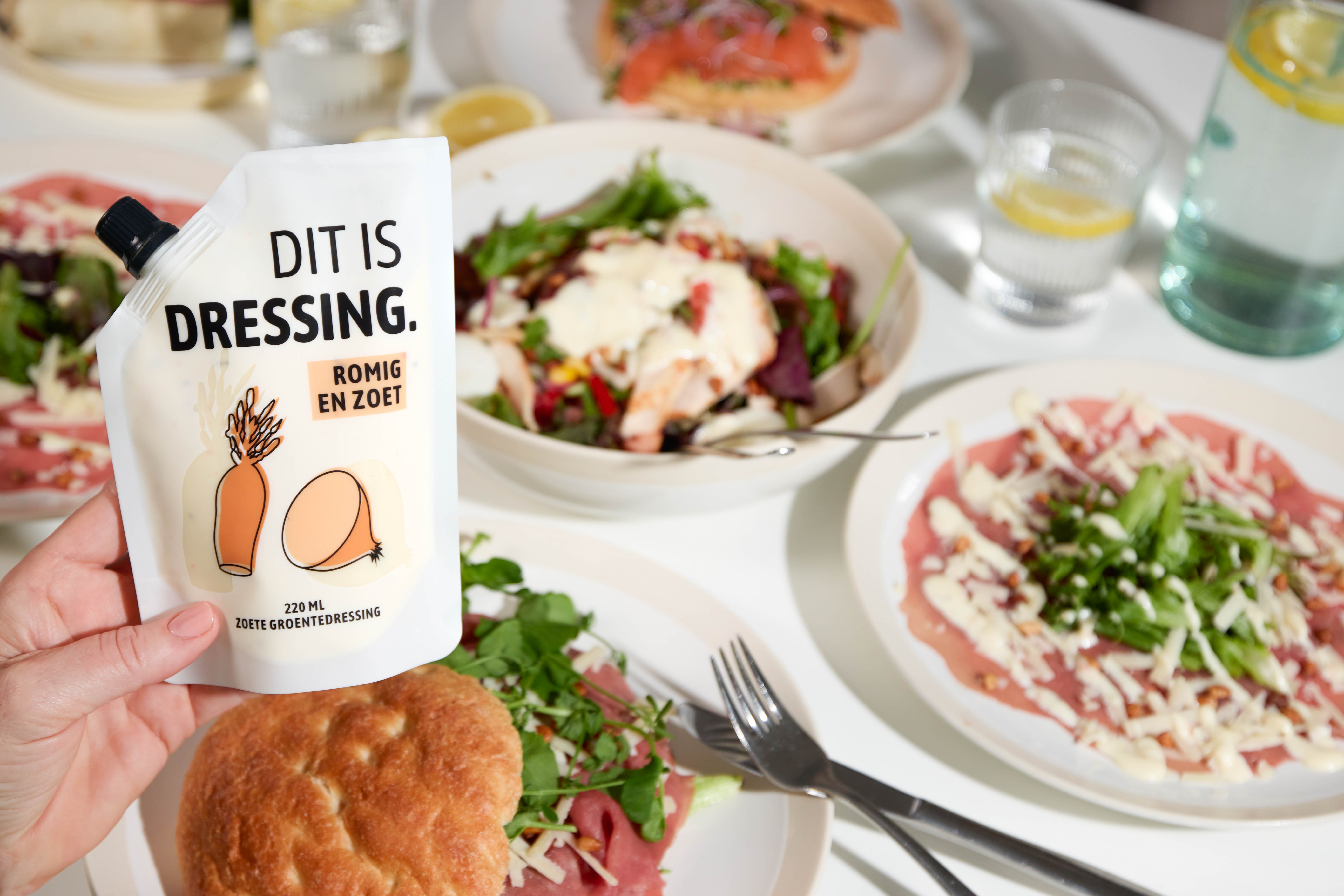
Modern advances have produced tough resealable pouches used in everything from snack foods to supplements and cleaning products. Some companies market US Packaging Company these under “sustainable plastic packaging” claims if they include recycled resins or mono-material designs meant for better recyclability down the line.
But clever consumers see immediate opportunity: washed-out pet treat pouches keep crayons sorted on road trips; bulk spice bags become rainproof phone sleeves at summer festivals; zippered coffee bean packages organize hardware bits in garages where humidity is an issue.
Judging When Repurposing Makes Sense
Not every container deserves a second lease on life. Food safety comes first: single-use plastics stained by oily sauces should not store leftovers again unless intended by design (such as some reusable meal prep kits). Similarly, cosmetics jars must be cleaned thoroughly before holding anything edible due to residue concerns around preservatives or fragrances.
There are trade-offs too: saving every yogurt tub quickly leads to clutter unless you have defined projects in mind. For businesses considering formalized reuse programs (such as collection points for branded refill packs), compliance with health regulations becomes paramount alongside customer convenience factors.
The sweet spot lies somewhere between mindful selection - holding onto what serves a real purpose - and regular decluttering so unused containers do not simply shift the waste burden elsewhere.
Repurposing Within Business Operations
Among sustainable packaging suppliers selling into beauty, fashion, food service sectors alike, internal reuse strategies play an underrated role behind the scenes:
A mid-sized supplement company based in Toronto recycles inbound shipping cartons by turning them inside out on assembly lines before sending finished goods back out the door - maximizing each box’s lifespan while reducing spend on new corrugate stock by nearly 20%. This method works best when outer layers are unbranded or feature reversible construction typical among eco-certified packagers today.
Similarly, a cosmetics distributor serving boutique retailers encourages staff to save padding from supplier deliveries rather than purchasing virgin fill material separately. Over six months last year they estimated diverting roughly 400 pounds of mixed paper out of landfill streams while maintaining safe transit standards for high-value merchandise.
These examples highlight how operational tweaks rooted in common sense contribute directly toward broader sustainability goals without relying solely on new product lines or expensive technology upgrades.
The Role of Design in Enabling Reuse
Design decisions made upstream can either open doors wide for creative repurposing - or close them off entirely. Sustainable packaging design increasingly emphasizes modularity: square-sided bottles nest more efficiently post-use than rounded ones; minimal labeling peels away cleanly so surfaces remain neutral enough for other functions later on.
Some green sustainable packaging initiatives mark containers with secondary use ideas right on the label (“Perfect pen holder!”), gently nudging end-users toward giving items another chance before disposal occurs at all.
Brands experimenting with “refill-ready” cosmetic jars notice higher return rates when lids thread tightly enough to prevent leaks but still open easily by hand - pragmatic details that mean fewer containers wind up trashed simply due to impracticality outside their initial context.
Making Repurposing Part of Everyday Life
Changing habits takes time but pays off steadily as routines adapt around available resources rather than one-off purchases driven by convenience alone:
Imagine opening your kitchen cupboard where half your pantry staples sit neatly arranged inside mismatched glass jars collected over several months’ worth of grocery hauls instead of disposable plastic tubs bought separately online. Or consider how an office might set up dedicated shelving stocked with reused delivery boxes labeled “Outgoing Shipments” so employees know exactly where surplus packing supplies live. Both scenarios reflect subtle yet meaningful cultural shifts toward normalized resourcefulness.
Checklist: Choosing Which Packing Materials To Save For Reuse
If you want guidelines rather than guesswork when sorting through custom cannabis packaging DaklaPack US old packaging at home or work:
Is it structurally sound (no cracks/tears) after initial use? Does it pose hygiene risks if reused? If yes: can it be cleaned easily? Will its size/shape serve any foreseeable need soon (storage/art/craft/organization)? Is there enough room to store it until needed without creating clutter? Does keeping it align with your personal/business sustainability goals?Answering these five questions helps clarify which materials deserve space under your sink – and which will likely languish unused until tossed anyway.
The Ripple Effect: Small Acts With Big Impact
Thousands of households reusing just one extra box each month equals millions diverted yearly from landfill sites worldwide. For businesses aiming toward more sustainable ecommerce packaging practices, these acts reinforce brand credibility while reducing costs over time. When customers see thoughtful reuse modeled consistently, they’re far likelier to adopt similar habits themselves – multiplying benefits across communities far beyond any single transaction.
Looking Forward: Trends Shaping Future Reuse Opportunities
The landscape keeps shifting as more organizations invest in innovative materials and regulatory frameworks tighten around disposable plastics. Sustainable clothing packaging now arrives folded within compostable envelopes designed for secondary use as laundry bags, while some chocolate makers ship bars inside plant-fiber sleeves stamped with origami folding instructions printed right onto each wrapper. Municipalities experiment with neighborhood swap bins where locals drop off surplus containers for others’ projects, further blurring lines between consumer waste stream and community resource pool.
Ultimately, the most inspirational examples come less from perfectionism than persistent curiosity: What else could this serve, if I give it another look? Embracing that question keeps both hands – and minds – open to discovering value wherever we find it, one package at a time.