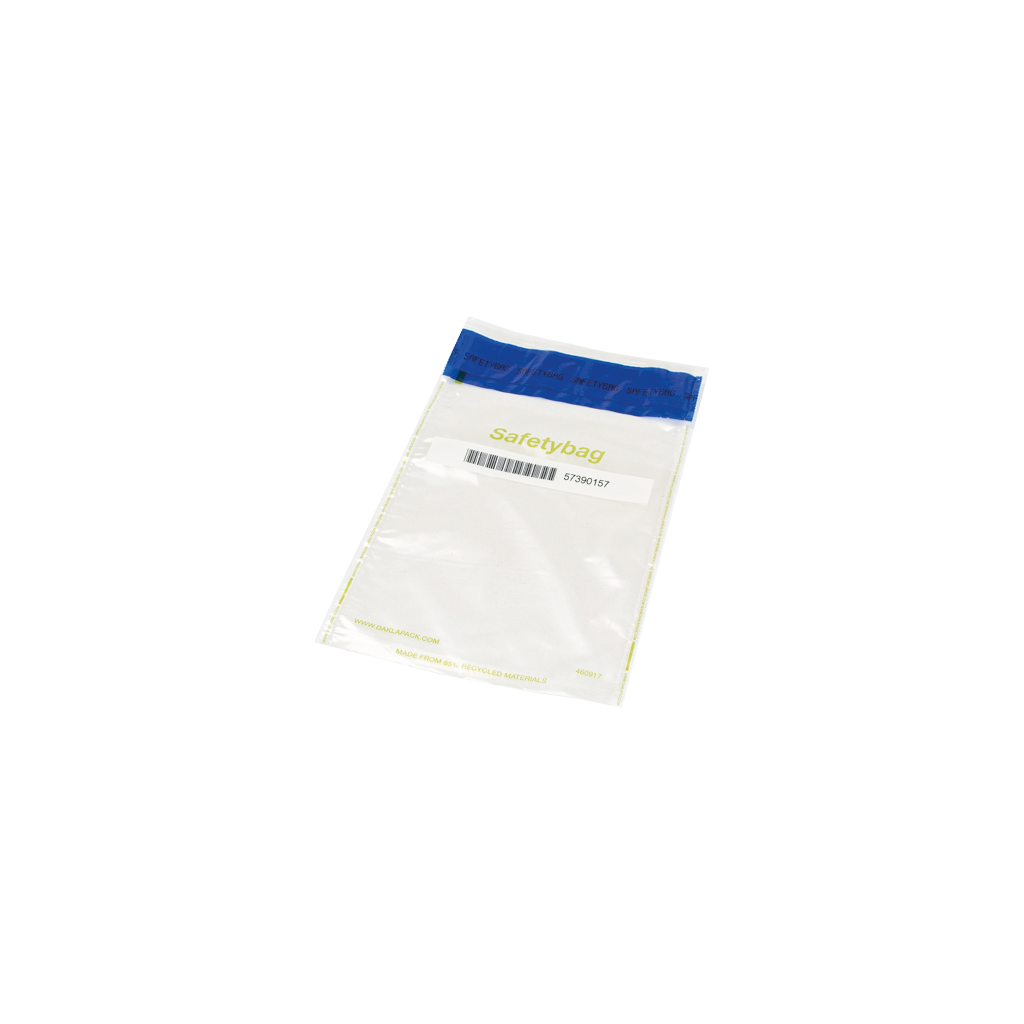
The validation of medical device packaging is a critical aspect that ensures the safety, efficacy, and integrity of healthcare products. As the medical device packaging market expands, driven by innovation and regulatory demands, understanding the validation processes becomes essential for manufacturers and stakeholders alike. This article delves into the intricacies of medical device packaging validation, exploring its importance, methodologies, and challenges.
The Importance of Validation in Medical Device Packaging
Medical devices are often used in life-or-death situations, where any compromise in their integrity can lead to catastrophic outcomes. Therefore, packaging serves more than just an aesthetic purpose; it plays a pivotal role in protecting the product US Packaging Company from contamination, ensuring sterility, and providing necessary information to users. The validation process verifies that packaging meets specific requirements throughout its lifecycle.
Regulatory bodies such as the U.S. Food and Drug Administration (FDA) and international standards organizations set stringent guidelines for packaging validation. These regulations require evidence that packaging materials can withstand transportation stresses, environmental conditions, and shelf-life expectations without compromising product performance. Validation helps build trust among healthcare providers and patients by assuring them that the devices are safe to use.
Key Components of Medical Device Packaging Validation
The validation process encompasses several key components that work together to ensure compliance with industry standards.
1. Design Qualification (DQ)
Design qualification involves verifying that the packaging design environmentally friendly packaging solutions meets predefined specifications. This phase includes assessing material selection, barrier properties, dimensions, and compatibility with the device itself. For instance, if a medical device is sensitive to moisture or light exposure, DQ will confirm that the chosen materials provide adequate protection against these factors.
2. Installation Qualification (IQ)
Installation qualification ensures that all equipment used in the manufacturing process is installed correctly and functions as intended. This step is crucial because even minor deviations during production can lead to significant issues down the line. During IQ, manufacturers will document equipment specifications and conduct tests to verify proper setup.
3. Operational Qualification (OQ)
Operational qualification focuses on confirming that the packaging process operates within specified limits under normal operating conditions. This includes evaluating temperature control during sterilization processes or testing sealing machines for consistency in seal integrity. It involves rigorous testing protocols to ensure all aspects meet operational criteria.
4. Performance Qualification (PQ)
Performance qualification tests whether the final packaged product performs effectively under real-world conditions over its intended shelf life. This may involve accelerated aging tests or stress tests simulating various environmental factors like humidity or temperature fluctuations. PQ is vital for establishing shelf life claims which influence marketability.
5. Stability Studies
Conducting stability studies allows manufacturers to understand how packaged products behave over time under different conditions. These studies help determine expiration dates and inform storage recommendations for end-users.
Regulatory Landscape Influencing Packaging Validation
Navigating the regulatory landscape can be complex due to varying requirements across regions and types of devices. In addition to FDA regulations in the U.S., international standards such as ISO 11607 guide sterile barrier systems for medical devices through comprehensive validation processes.
Compliance with these regulations requires thorough documentation from initial design stages through post-market surveillance activities. For example, any changes made during production must be documented and assessed against existing validations to ensure continued compliance.
Furthermore, ongoing quality management systems should be established to monitor performance post-validation continuously. Regular audits by regulatory bodies may also take place to ensure adherence to required standards.
Challenges in Medical Device Packaging Validation
Despite its importance, several challenges complicate the validation process for medical device packaging companies:
Material Variability: The diverse range of materials used in medical packaging presents unique challenges when validating barrier properties or compatibility with different devices.
Technological Advancements: Rapid advancements in materials science can outpace existing validation techniques and guidelines.
Cost Considerations: Comprehensive validation processes can be costly due to required testing protocols and equipment maintenance.
Changing Regulations: Frequent updates or shifts in regulations necessitate constant vigilance from manufacturers regarding compliance efforts.
Time Constraints: The pressure to bring new products quickly to market can lead some manufacturers to rush through validation steps potentially compromising safety measures.
Emerging Trends Impacting Validation Processes
As technology continues evolving within healthcare sectors globally, several trends are influencing how medical device packaging validation is approached:
Sustainable Packaging Solutions
In response to growing environmental concerns, many companies are exploring sustainable materials options for packaging solutions while ensuring they still meet safety requirements during validations. Innovations such as biodegradable plastics or recyclable materials are becoming more common but require thorough evaluations during DQ phases before widespread adoption occurs.
Digital Transformation
The increasing integration of digital tools into manufacturing processes allows for improved tracking capabilities throughout production lines - from raw material sourcing through final packing stages enabling easier identification of potential issues impacting validations down-line.
Customization Needs
With rising demand for personalized medicine solutions tailored toward specific patient needs comes additional complexity regarding package designs needing customized validations based on individual specifications rather than standard models previously utilized across product lines.
Best Practices for Effective Validation Processes
For successful implementation of effective validations within your organization consider adopting these best practices:
- Early Planning: Begin planning validations early in product development cycles by incorporating cross-functional teams involving R&D engineers alongside quality assurance personnel who understand regulatory requirements upfront. Comprehensive Documentation: Maintain meticulous records throughout every step taken during validations ensuring traceability between design choices made against results obtained later down-line following protocol executions. Collaboration with Experts: Collaborate closely with experienced professionals specializing specifically within areas related directly towards specific types of devices being produced helping streamline processes around established best practices already known within those niches. Regular Training Sessions: Conduct regular training sessions focused on new technologies emerging relevantly impacting validations facilitating knowledge-sharing among employees working closely together daily routines improving overall capabilities across departments involved directly including production teams themselves who play vital roles here too. Feedback Loops Post-Market Surveillance: Establish feedback loops collecting data post-market surveillance allowing adjustments based upon real-world usage patterns observed thus making iterative improvements wherever possible aligning closely back towards initial goals set forth earlier validating original packages developed initially again iterating through this cycle continuously improving overall quality delivered consistently meeting expectations finally achieved after extended efforts put forth beforehand validating these items finally reaching consumers safely ultimately fulfilling their needs satisfactorily over time successfully achieving desired outcomes expected therein!
By embracing these practices while navigating complexities inherent within validation processes surrounding medical device packagings' varied aspects allows organizations greater flexibility adapting quickly changing environments responding effectively whenever needed ultimately enhancing their competitiveness dynamically moving forward confidently towards success achieved collectively gaining market share steadily remaining relevant continually developing better solutions offered enhancing patient care further advancing healthcare globally overall positively benefiting everyone involved throughout this journey undertaken together collaboratively collectively striving excellence achieved consistently!